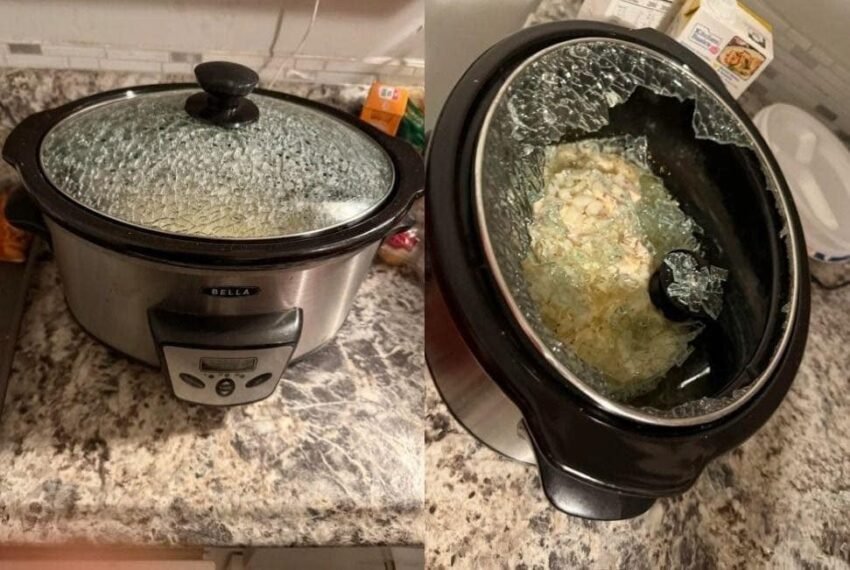
Here’s a practical guide: some foods just don’t do well in a slow cooker because they lose texture, flavor, or safety. Here are 11 foods you should avoid putting in a slow cooker:
1. Seafood (Shrimp, Fish, Scallops)
- Why not: They cook very quickly; slow cooking makes them mushy and rubbery.
- Tip: Add seafood at the last 15–30 minutes of cooking.
2. Milk or Cream (Dairy)
- Why not: Prolonged heat causes dairy to curdle or separate.
- Tip: Stir in cream or milk just before serving.
3. Pasta & Rice
- Why not: These become overcooked and mushy if cooked too long.
- Tip: Add them in the last 30–60 minutes depending on type.
4. Tender Vegetables (Zucchini, Spinach, Peas)
- Why not: They turn to mush if cooked for hours.
- Tip: Add leafy greens or soft veggies at the end of cooking.
5. Cheese
- Why not: Most cheeses melt unevenly or separate, creating greasy blobs.
- Tip: Stir in shredded cheese just before serving for creamy sauces.
6. Thin Cuts of Meat
- Why not: Lean, tender meats like fish fillets or chicken breasts dry out quickly in slow cooking.
- Tip: Use tougher cuts like chuck roast, brisket, or pork shoulder for long cooking.
7. Certain Herbs (Basil, Parsley, Cilantro)
- Why not: Delicate herbs lose flavor during long cooking.
- Tip: Add fresh herbs at the very end for maximum aroma.
8. Frozen Meat
- Why not: Placing frozen meat in a slow cooker can keep it in the danger zone (40–140°F / 4–60°C) for too long, risking bacteria growth.
- Tip: Thaw meat completely before slow cooking.
9. Beans (Dried, Non-Soaked Kidney Beans)
- Why not: Some beans contain toxins that require boiling to destroy. Slow cookers don’t get hot enough to remove them.
- Tip: Pre-soak and boil beans before adding to the slow cooker.
10. Canned Soup
- Why not: Already cooked or condensed soups can become too thick or salty if slow cooked for hours.
- Tip: Use fresh ingredients or dilute as needed.
11. Wine or Alcohol (Large Quantities)
- Why not: Slow cooking doesn’t evaporate alcohol fully, leaving stronger flavors and alcohol content.
- Tip: Use small amounts or cook separately to reduce before adding.
💡 Quick Rule of Thumb: Slow cookers are best for tough meats, root vegetables, stews, and soups, but delicate proteins, dairy, and quick-cooking items usually fail in long slow cooking.
I can also make a cheat sheet of “slow cooker swaps”—what to add early vs. late for perfect results every time. It’s super handy.