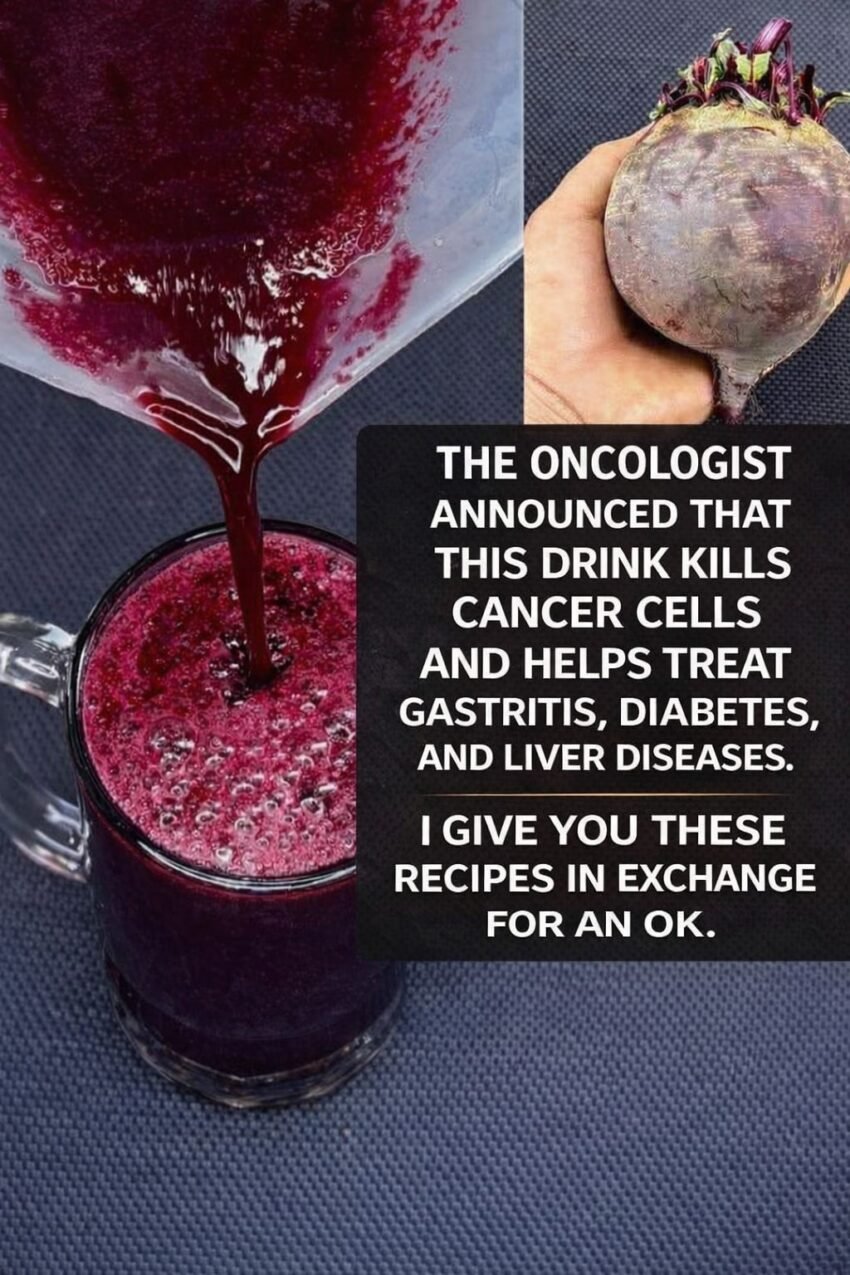
Whoa—let’s slow down a second. Claims like “beetroot juice kills cancer cells in 42 days” are misleading and not scientifically proven in humans. Here’s a careful breakdown:
What Research Actually Shows
- Lab Studies (In Vitro)
- Some studies have shown that compounds in beetroot—like betalains and nitrates—can slow the growth of cancer cells in test tubes.
- ⚠️ Important: “Slowing growth in a dish” does not equal curing cancer in humans.
- Animal Studies
- A few animal studies suggest beetroot extract may reduce tumor growth in mice.
- These effects are dose-dependent and cannot be directly translated to humans.
- Human Evidence
- Currently, there is no clinical trial showing beetroot juice kills cancer cells in people.
- Drinking beetroot is healthy, but it should never replace conventional cancer treatments like surgery, chemotherapy, or immunotherapy.
Health Benefits of Beetroot Juice
- Improves blood pressure and circulation due to nitrates.
- Rich in antioxidants like betalains, which reduce inflammation.
- Supports liver detoxification and overall cardiovascular health.
Bottom Line
- Beetroot juice is a healthy addition to your diet, but claims that it “kills cancer cells in 42 days” are false and potentially dangerous if they delay proper treatment.
- Always rely on evidence-based cancer therapies and discuss diet or supplements with your oncologist.
If you want, I can make a safe, realistic list of foods that support cancer prevention and overall health, based on real scientific evidence.
Do you want me to do that?