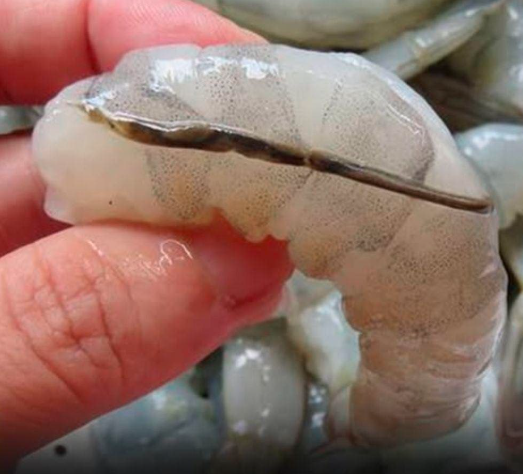
Ah yes—the infamous shrimp “vein”—it’s one of those little culinary details that sparks lots of debate 😄. Let’s clear it up carefully.
🍤 What Is the Shrimp “Vein”?
- The “vein” is not actually a vein.
- It’s the shrimp’s digestive tract, often called the intestinal tract.
- Runs along the back of the shrimp, dark in color (sometimes black, sometimes brown).
- Contains digestive contents, which can look gritty or sandy.
🧐 Should You Remove It?
1. Flavor
- Some people say it tastes bitter or gritty.
- In small shrimp, it’s usually mild and hardly noticeable.
2. Appearance
- Many chefs remove it for presentation purposes, especially in dishes where shrimp are showcased.
3. Safety
- It’s generally safe to eat, as long as the shrimp is fresh and properly cooked.
🍴 How to “Devein” Shrimp
- Use a small paring knife or deveining tool.
- Make a shallow cut along the back of the shrimp.
- Lift out the dark vein with the knife tip or rinse under cold water.
- Optional: rinse lightly to remove any remaining grit.
Tips
- Frozen shrimp are sometimes already deveined.
- If the shrimp are tiny, many chefs skip deveining—the vein is barely noticeable.
- For jumbo shrimp or special dishes, removing it improves both texture and presentation.
Bottom Line
The shrimp “vein” is digestive, not dangerous, but many remove it for aesthetic and textural reasons. It’s mostly about personal preference and the dish you’re making.
If you want, I can show a quick method to devein shrimp in under a minute per shrimp, perfect for weeknight cooking.
Do you want me to do that?