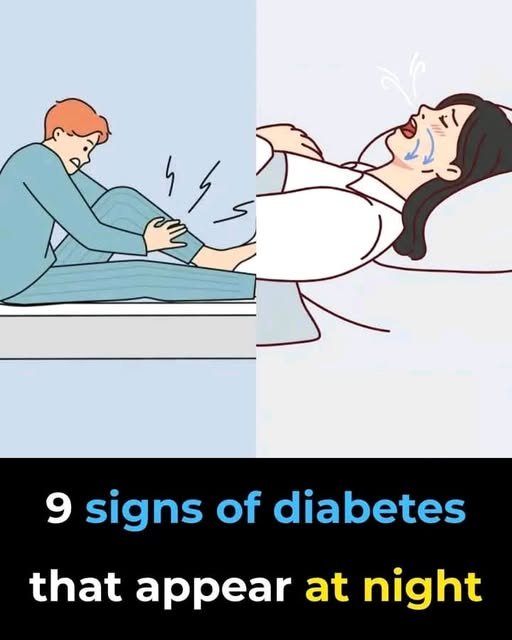
9 Signs of Diabetes That Appear at Night: What You Need to Know
Learn 9 signs of diabetes that occur at night, including frequent urination, night sweats, and leg cramps. Early detection can protect your health.
Diabetes can be tricky to detect early because some symptoms are subtle or only noticeable at night. High or low blood sugar levels during sleep can trigger discomfort or disrupt your rest. Recognizing these signs can help you identify potential diabetes early and take action before complications arise.
1. Frequent Nighttime Urination (Nocturia)
One of the most common nighttime diabetes symptoms is waking up multiple times to urinate.
Why it happens:
-
High blood sugar forces your kidneys to remove excess glucose.
-
Water follows the glucose, leading to increased urine production.
Tip: Track how often you wake up at night. More than once per night consistently could be a warning sign.
2. Excessive Thirst or Dry Mouth
Waking up thirsty or with a dry mouth can signal that your body is trying to combat dehydration caused by frequent urination.
What to do:
-
Keep water by your bedside, but if thirst persists despite hydration, consult a doctor.
3. Night Sweats
Sudden sweating during sleep, unrelated to temperature or blankets, may indicate low blood sugar (nocturnal hypoglycemia).
Mechanism:
-
Low glucose triggers adrenaline, causing your body to sweat.
Warning: Severe episodes may require medical evaluation.
4. Morning Fatigue or Unrefreshing Sleep
Even after sleeping 7–8 hours, you may feel exhausted.
Causes:
-
Blood sugar imbalances disrupt sleep cycles.
-
Frequent urination or hypoglycemia episodes can interrupt deep sleep stages.
5. Sudden Hunger at Night
Waking up extremely hungry, especially craving carbs or sweets, may signal unstable blood sugar.
Reason:
-
When cells aren’t getting glucose, your body signals hunger to restore energy.
6. Heart Palpitations or Racing Heart
A fast or pounding heartbeat during sleep can result from low blood sugar.
Mechanism:
-
Hypoglycemia triggers the release of stress hormones like adrenaline.
Advice: If palpitations are frequent or severe, seek medical guidance.
7. Vivid Dreams or Nightmares
Intense dreams or nightmares can occur during episodes of low blood sugar at night.
Explanation:
-
Hypoglycemia stimulates hormonal responses that affect the brain during REM sleep.
8. Tingling, Burning, or Pain in Feet
Diabetic neuropathy often becomes noticeable at night.
Symptoms:
-
Numbness
-
Tingling
-
Burning or stabbing sensations
Tip: Keep feet elevated and check for injuries if you have persistent discomfort.
9. Leg Cramps or Restless Legs
Sudden cramps or restless leg syndrome at night can be linked to blood sugar fluctuations and electrolyte imbalances.
Advice:
-
Stretching before bed and monitoring blood sugar can help reduce symptoms.
Why These Symptoms Appear at Night
-
High blood sugar (hyperglycemia): Increases urination and dehydration.
-
Low blood sugar (hypoglycemia): Triggers sweating, palpitations, and vivid dreams.
-
Diabetic neuropathy: Nerve damage is more noticeable when resting.
Recognizing patterns is key. Nighttime symptoms can serve as early warnings for undiagnosed diabetes or poorly managed blood sugar.
When to See a Doctor
Seek medical evaluation if you notice two or more of these symptoms consistently, especially if you have risk factors such as:
-
Family history of diabetes
-
Overweight or obesity
-
High blood pressure or high cholesterol
Tests your doctor may recommend include:
-
Fasting blood sugar
-
HbA1c (average blood sugar over 3 months)
-
Oral glucose tolerance test
Practical Tips for Nighttime Symptom Management
-
Keep a symptom log: Note urination, thirst, and other symptoms.
-
Check blood sugar before bed: Especially if you’re on insulin or medication.
-
Stay hydrated: Drink water, but avoid sugary drinks.
-
Monitor diet: Avoid late-night high-carb meals that spike blood sugar.
Key Takeaways
Nighttime signs of diabetes are subtle but telling. Paying attention to urination patterns, thirst, sleep disturbances, and limb discomfort can help detect diabetes early. Early detection and management are critical to preventing complications such as kidney disease, nerve damage, or cardiovascular issues.