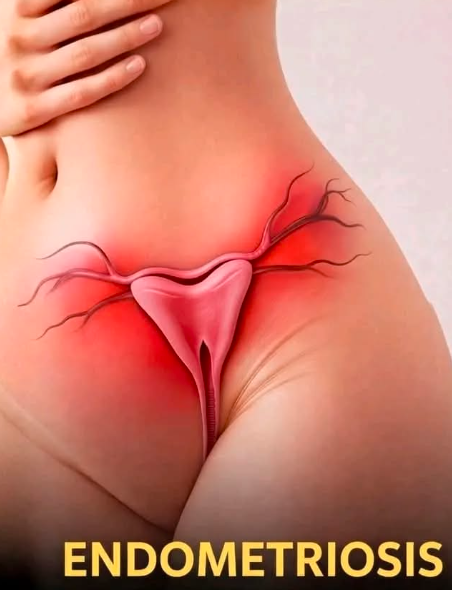
Here’s a clear and detailed guide on endometriosis—a condition many women experience but is often misunderstood. Understanding it early can help with management, treatment, and quality of life.
What is Endometriosis?
Endometriosis occurs when tissue similar to the lining of the uterus (endometrium) grows outside the uterus, commonly on the ovaries, fallopian tubes, or pelvic lining. This tissue responds to menstrual hormones, bleeding each cycle, which can cause inflammation, pain, and scarring.
1. Symptoms
Symptoms can vary, but common signs include:
| Symptom | Details |
|---|---|
| Pelvic Pain | Often severe during menstruation; can also occur during ovulation or daily activities |
| Painful Periods (Dysmenorrhea) | Cramping worse than normal menstrual pain |
| Pain During Sex (Dyspareunia) | Especially deep pelvic pain during or after intercourse |
| Heavy or Irregular Periods | Menstrual flow may be heavier or last longer |
| Painful Bowel Movements or Urination | Particularly during periods |
| Infertility | Endometriosis can affect fertility due to scarring or blocked tubes |
| Other Symptoms | Fatigue, bloating, nausea, diarrhea, or constipation during periods |
⚠ Note: Severity of pain doesn’t always match extent of endometriosis. Some women with extensive disease have mild symptoms, and vice versa.
2. Causes & Risk Factors
The exact cause is unknown, but theories include:
- Retrograde menstruation: Menstrual blood flows backward into the pelvic cavity.
- Genetic factors: Runs in families.
- Immune system dysfunction: Body fails to remove displaced tissue.
- Hormonal influence: Estrogen can promote growth of endometrial tissue.
Risk factors:
- Family history of endometriosis
- Early onset of menstruation
- Short menstrual cycles or heavy periods
- Never giving birth
3. Diagnosis
- Clinical evaluation: Based on symptoms and pelvic exam.
- Imaging tests: Ultrasound or MRI may detect cysts or endometriomas.
- Definitive diagnosis: Laparoscopy (minimally invasive surgery) to visualize and biopsy lesions.
4. Management & Treatment
Treatment depends on symptom severity, fertility goals, and age.
A. Pain Management
- NSAIDs (ibuprofen, naproxen) for inflammation and pain
- Heat therapy (heating pads or warm baths)
B. Hormonal Therapy
- Birth control pills, patches, or rings to regulate periods
- GnRH agonists/antagonists to suppress ovarian hormone production
- Progestin therapy to reduce endometrial growth
C. Surgery
- Laparoscopy to remove endometrial tissue and adhesions
- In severe cases, hysterectomy may be considered (typically only if other treatments fail and fertility is no longer desired)
D. Lifestyle & Support
- Regular exercise to improve circulation and reduce inflammation
- Anti-inflammatory diet (rich in fruits, vegetables, omega-3s)
- Stress management and counseling for chronic pain
- Support groups to connect with others experiencing endometriosis
💡 Key Takeaways
- Endometriosis is common but underdiagnosed—often taking years for a correct diagnosis.
- Early recognition and treatment can reduce pain, prevent complications, and improve fertility outcomes.
- Women experiencing severe menstrual pain, pelvic pain, or infertility should discuss symptoms with a gynecologist.
If you want, I can create a simple visual chart showing symptoms, causes, and treatment options for endometriosis, so it’s easy to understand at a glance.
Do you want me to do that?