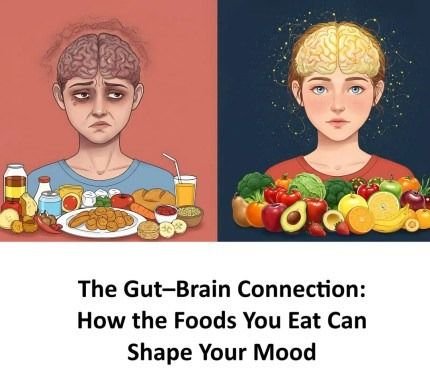
Absolutely! The connection between food and mood is real—what you eat affects brain chemistry, hormone levels, and gut health, all of which influence how you feel emotionally. Here’s a detailed breakdown:
1. How Food Influences Mood
A. Blood Sugar Balance
- Foods high in refined sugar and carbs can cause blood sugar spikes, followed by crashes.
- This can lead to irritability, fatigue, and anxiety.
- Better choices: whole grains, legumes, fruits, and vegetables for steady energy.
B. Neurotransmitter Production
- Brain chemicals like serotonin, dopamine, and GABA regulate mood.
- Amino acids from protein-rich foods are building blocks for these neurotransmitters:
- Tryptophan → serotonin (found in turkey, eggs, nuts)
- Tyrosine → dopamine (found in cheese, almonds, soy products)
C. Omega-3 Fatty Acids
- Found in fatty fish, chia seeds, and walnuts.
- Support brain function and reduce inflammation, linked to lower depression risk.
D. Gut-Brain Connection
- The gut produces 90% of the body’s serotonin.
- Probiotics and fiber-rich foods (yogurt, kimchi, whole grains) support a healthy gut microbiome, which can improve mood.
E. Micronutrients
Certain vitamins and minerals are key for mental health:
- Vitamin B12 & Folate: Found in leafy greens, eggs, and fish—support neurotransmitter synthesis.
- Magnesium: Found in nuts, seeds, and dark chocolate—reduces anxiety and supports relaxation.
- Iron & Zinc: Important for energy and brain function; deficiencies can lead to fatigue or low mood.
2. Foods That Can Negatively Affect Mood
- Highly processed, sugary, and fried foods → energy crashes, irritability
- Excess caffeine → anxiety, jitteriness, sleep disruption
- Alcohol → depressant effect, sleep disruption
3. Foods That Boost Mood
- Leafy greens (spinach, kale) → folate and magnesium
- Fatty fish (salmon, sardines) → omega-3 fatty acids
- Berries → antioxidants that protect brain cells
- Nuts & seeds → healthy fats and tryptophan
- Whole grains → slow-release energy, stabilizes blood sugar
Key Takeaways
- Balanced meals with protein, fiber, healthy fats, and complex carbs help steady mood.
- Gut health matters—fermented foods and fiber support emotional well-being.
- Avoid extreme sugar and processed foods that cause mood swings.
💡 Fun Tip:
Some researchers call the brain a “gut-dependent organ.” In other words, happy guts = happier moods.
If you want, I can make a “Mood-Boosting Foods Cheat Sheet” showing what to eat for energy, calm, focus, and happiness.
Do you want me to do that?