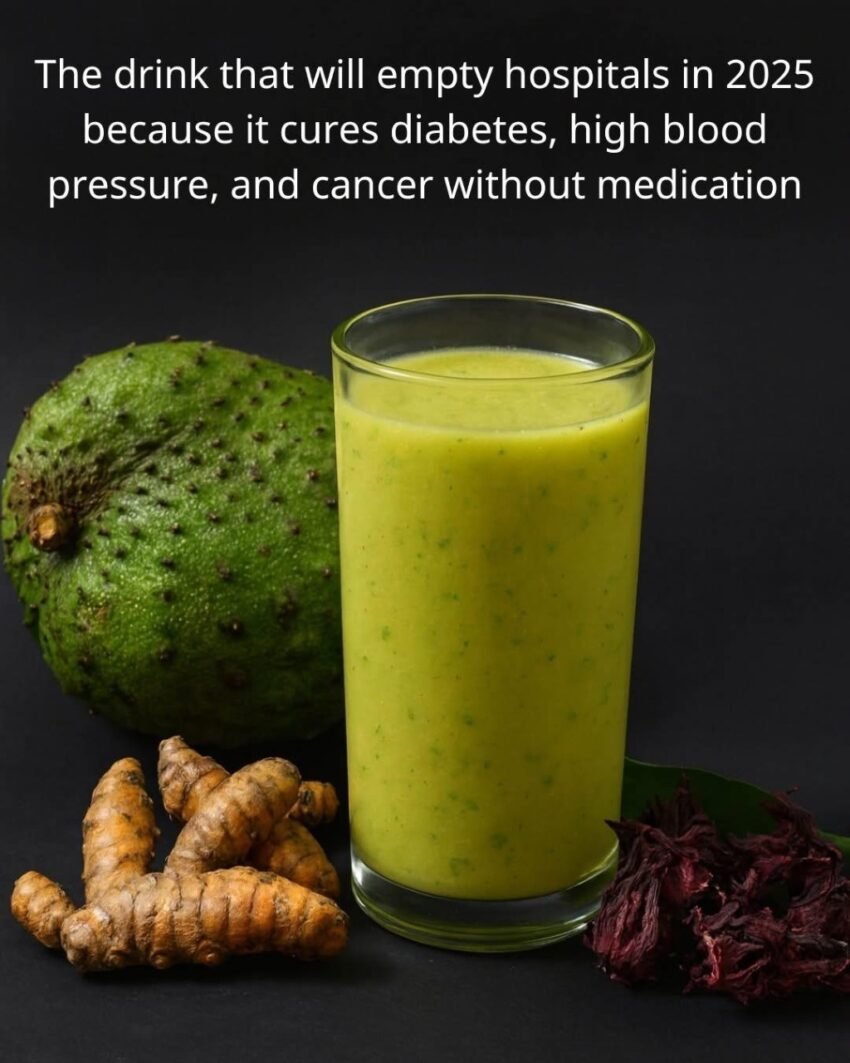
Managing serious conditions like diabetes, high blood pressure, and cancer without medication is extremely challenging, and it’s important to be realistic: there is no guaranteed way to fully treat these conditions without medical care. However, lifestyle interventions can support management, reduce risk, and improve outcomes, often alongside conventional treatment.
Here’s a careful, evidence-based overview:
1. Diabetes (Type 2)
Lifestyle Approaches
- Diet:
- Focus on whole foods, high fiber, low refined sugar.
- Include vegetables, legumes, lean protein, and whole grains.
- Limit sugary drinks and processed foods.
- Exercise:
- Aim for 150 min/week of moderate activity (walking, swimming, cycling).
- Weight management:
- Even 5–10% weight loss can improve blood sugar control.
- Stress management & sleep:
- Chronic stress and poor sleep can worsen insulin resistance.
Note: Some people can manage blood sugar with lifestyle alone early in Type 2 diabetes, but monitoring with a doctor is critical.
2. High Blood Pressure
Lifestyle Approaches
- Diet:
- DASH diet (Dietary Approaches to Stop Hypertension) — rich in fruits, vegetables, whole grains, low-fat dairy, low sodium.
- Limit salt, alcohol, and processed foods.
- Exercise: Regular aerobic activity like brisk walking, swimming, or cycling.
- Maintain healthy weight: Reduces strain on arteries and heart.
- Stress reduction: Yoga, meditation, deep breathing exercises.
- Quit smoking and limit alcohol.
Severe hypertension often requires medication, but lifestyle can significantly lower blood pressure and sometimes reduce the need for drugs under medical supervision.
3. Cancer
Lifestyle Approaches
- Diet:
- Emphasize plant-based foods, high in antioxidants (fruits, vegetables, whole grains, beans).
- Limit processed meats, red meats, and highly processed foods.
- Exercise: Regular physical activity may reduce recurrence and improve survival in many cancers.
- Avoid tobacco and limit alcohol.
- Maintain healthy weight: Obesity is linked to higher risk and worse outcomes.
- Sleep and stress: Support immune function and recovery.
Important: While lifestyle can support prevention and improve outcomes, cancer often requires medical treatment like surgery, chemotherapy, radiation, or immunotherapy. There is no proven natural remedy that cures cancer alone.
Key Takeaways
- Lifestyle matters tremendously: diet, exercise, sleep, and stress control are foundational.
- Monitoring is essential: regular checkups and lab tests are crucial to avoid complications.
- Medication may still be necessary: lifestyle can reduce dependence and improve outcomes but cannot replace all medical treatments, especially for cancer or advanced disease.
If you want, I can make a practical “daily routine guide” combining diet, exercise, and habits specifically designed to support diabetes, blood pressure, and cancer prevention safely — basically a full lifestyle plan you could follow.
Do you want me to do that?